Fundamental Principles for Designing an Urban Loft
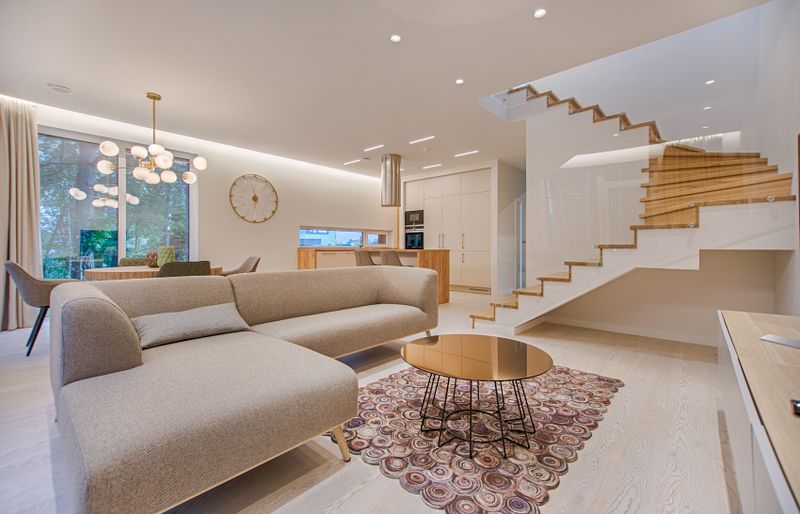
Transforming an industrial space into a comfortable home is an art that requires a deep understanding of flow and functionality.
The concept of the urban loft has evolved from the artists' studios of the 1960s to cleverly designed solutions for modern life. Today, the emphasis is on creating an environment that is simultaneously airy, practical, and full of personality.
1. Preserving the Authentic Industrial Character
Exposed brick walls, high ceilings with visible beams, and concrete floors are the foundational elements that provide authenticity. The key is to integrate them without making the space feel cold. Decorative plants are perfect allies, bringing a note of vitality and organic contrast.
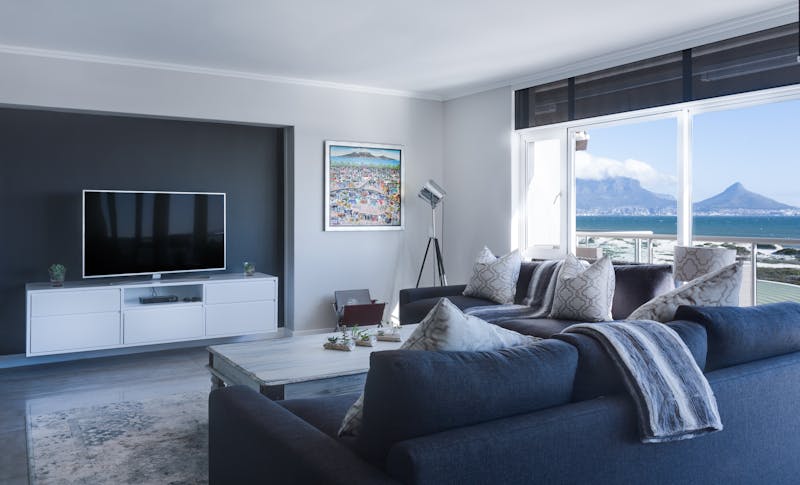
2. Defining Zones with Furniture and Lighting
In an open space, modern furniture and smart lighting are what create virtual "rooms." A modular gray sofa can delineate the living area, while a minimalist desk with floating shelves marks the workspace. Adjustable track lighting and directional spotlights allow you to change the atmosphere depending on the time of day or activity.
3. Choosing Multifunctional Furniture
Space optimization is the golden rule. Beds with storage drawers, extendable tables, benches with interior space, or shelves that also serve as room dividers are investments that pay off tenfold through the flexibility they offer. The preferred materials remain warm wood, matte metal, and glass, which reflects light.
"In a loft, every object must have a purpose and a well-thought-out position. Simplicity does not mean lack, but clarity."
Completing a loft apartment design project is an iterative process. Start with a neutral color scheme, to which you can add colorful accents through art, textiles, or decorative objects. Remember that your space should first and foremost reflect your lifestyle.